
Top 5 Benefits of Digital Dentistry for Patients and Dentists
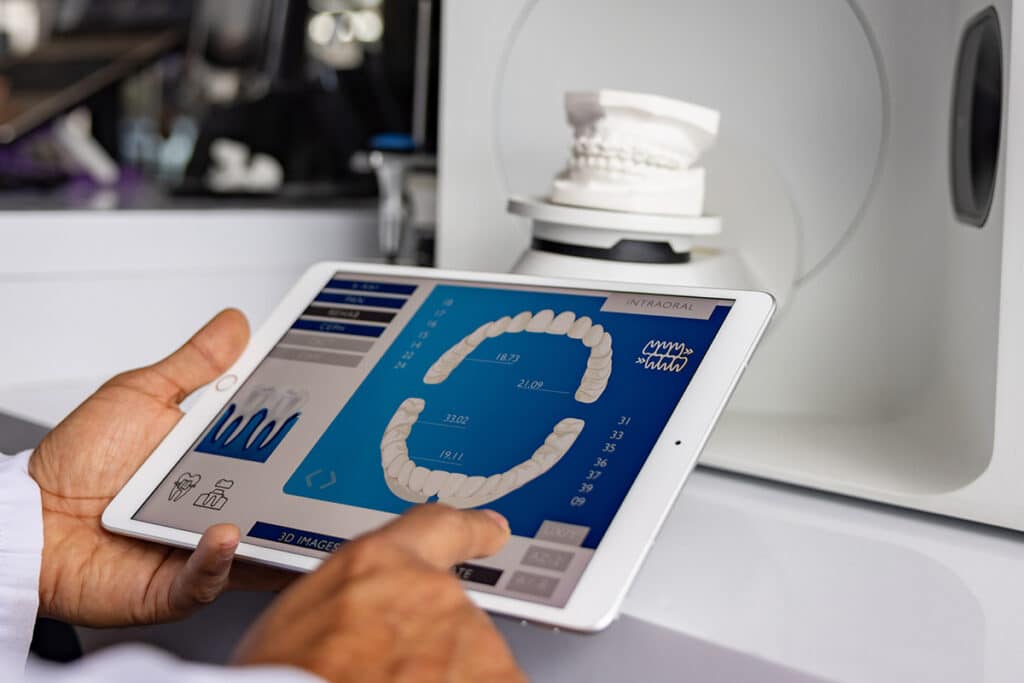
Digital dentistry has changed the way we plan, diagnose, and deliver dental care. By using advanced tools such as digital X-rays, intraoral scanners, and computer-guided treatment planning, we can often make visits more efficient, more precise, and more comfortable for everyone involved. For patients, that can mean less waiting, fewer surprises, and a smoother experience. For dentists, it can support better workflows and more accurate results.
When we talk about digital dentistry in Lubbock, TX, we are talking about more than new equipment. We are talking about a better way to care for smiles. In this article, we will cover five of the biggest benefits of digital dentistry and explain why these tools matter for both patients and dental teams.
More Accurate Diagnoses and Treatment Planning
One of the biggest benefits of digital dentistry is improved accuracy. Digital imaging gives us a clearer view of teeth, gums, bone, and surrounding structures. That helps us spot problems earlier and plan treatment with greater confidence. When we can see more detail from the start, we can make better decisions about everything from fillings and crowns to implants and cosmetic care.
For patients, this often leads to clearer explanations and more confidence in the care plan. We can show what we see on a screen, walk through the issue, and explain the next steps in plain language. For dentists, digital records and imaging can reduce guesswork and support more predictable treatment outcomes. That shared clarity helps build trust and makes it easier to move forward with care.
Faster, More Efficient Appointments
Digital tools can also save time during appointments. Traditional methods often involve extra steps, manual impressions, repeated images, or longer lab turnaround times. Digital systems streamline many of those tasks. In many cases, we can gather records faster, communicate with labs more efficiently, and keep treatment moving without unnecessary delays.
That matters for busy patients who want quality care without spending more time in the chair than needed. Faster workflows can mean shorter visits, fewer repeat appointments, and less disruption to daily life. It also helps dental teams stay organized and focused. When the process is more efficient, we can spend more time on patient care and less time managing outdated systems.
Greater Comfort During Treatment
Comfort is one of the most noticeable benefits of digital dentistry for many patients. Traditional impressions can feel messy, bulky, and uncomfortable. Digital scanners often provide a cleaner and easier experience. Instead of relying on trays and impression material, we can capture detailed images of the mouth with a handheld device. For many people, that makes the visit feel much more manageable.
Digital technology can also improve comfort by making treatment more precise. When restorations and appliances are designed with accurate digital data, they often fit better from the start. That can reduce the need for multiple adjustments and help appointments go more smoothly. For dentists, this level of precision supports efficient care. For patients, it can mean less stress and a better overall experience in the office.
Better Communication and Patient Education
Another major advantage of digital dentistry is how well it supports communication. Patients deserve to understand what is happening in their mouths and why treatment is recommended. Digital images, scans, and chairside visuals help us explain conditions in a clear and simple way. Instead of only describing a crack, cavity, or alignment issue, we can often show it directly.
That visual approach can make a big difference. Patients who understand their oral health are better prepared to make informed choices. They can ask better questions, compare options, and feel more involved in their care. For dentists, better communication can improve case acceptance and reduce confusion. It creates a more collaborative relationship where everyone is working toward the same goal.
More Predictable Results for Restorative and Cosmetic Care
Digital dentistry also supports more predictable results, especially in restorative and cosmetic treatment. When we use digital scans and software-based planning, we can design crowns, bridges, veneers, and implant restorations with close attention to fit, function, and appearance. That planning helps us create outcomes that look natural and work well in daily life.
Patients benefit from restorations that often feel more precise and require fewer adjustments. They can also get a clearer idea of what to expect before treatment begins. For dentists, digital planning improves consistency and can reduce avoidable errors. Whether the goal is restoring a damaged tooth or improving a smile’s appearance, digital workflows help us deliver care with greater confidence and control.
Why Digital Dentistry Matters More Than Ever
Digital dentistry brings together accuracy, speed, comfort, communication, and predictable outcomes in one modern approach to care. These tools do not replace clinical skill or personal attention. Instead, they help us deliver both at a higher level. When we combine advanced technology with thoughtful treatment, we can create a better experience for patients and a stronger process for dental teams.
As dental care continues to evolve, digital tools will remain an important part of high-quality treatment. Patients want care that is clear, efficient, and comfortable. Dentists want tools that support precision and consistency. Digital dentistry helps meet both needs, making it a valuable part of modern dental practice.
Frequently Asked Questions About Digital Dentistry
What is digital dentistry?
Digital dentistry refers to the use of digital tools and technology in dental care. This can include digital X-rays, intraoral scanners, 3D imaging, computer-aided design, and other systems that help with diagnosis, planning, and treatment.
Is digital dentistry better than traditional dentistry?
Digital dentistry is not about replacing all traditional methods. It is about improving many parts of the process. In many cases, digital tools can make care more accurate, efficient, and comfortable while helping dentists plan treatment more precisely.
Are digital dental scans safe?
Yes, digital dental scans are widely considered safe when used appropriately. Digital X-rays, for example, often use less radiation than older film-based systems. Your dentist will recommend the right imaging based on your needs and treatment goals.
Does digital dentistry make appointments shorter?
In many cases, yes. Digital tools can reduce the time needed for impressions, imaging, treatment planning, and communication with labs. Some treatments still require multiple visits, but digital workflows can often make the process smoother and more efficient.
Who can benefit from digital dentistry?
Both patients and dentists can benefit from digital dentistry. Patients may enjoy better comfort, clearer communication, and more predictable care. Dentists benefit from improved precision, stronger workflows, and better tools for diagnosis and treatment planning.
At Robinson and Malone Dentistry, we are proud to provide thoughtful, modern dental care for patients and families in our community. We combine experience, technology, and personal attention to help you protect and improve your smile. If you are ready to take the next step, we invite you to schedule an appointment.