

The Hidden Causes of Gum Disease: Are You at Risk?
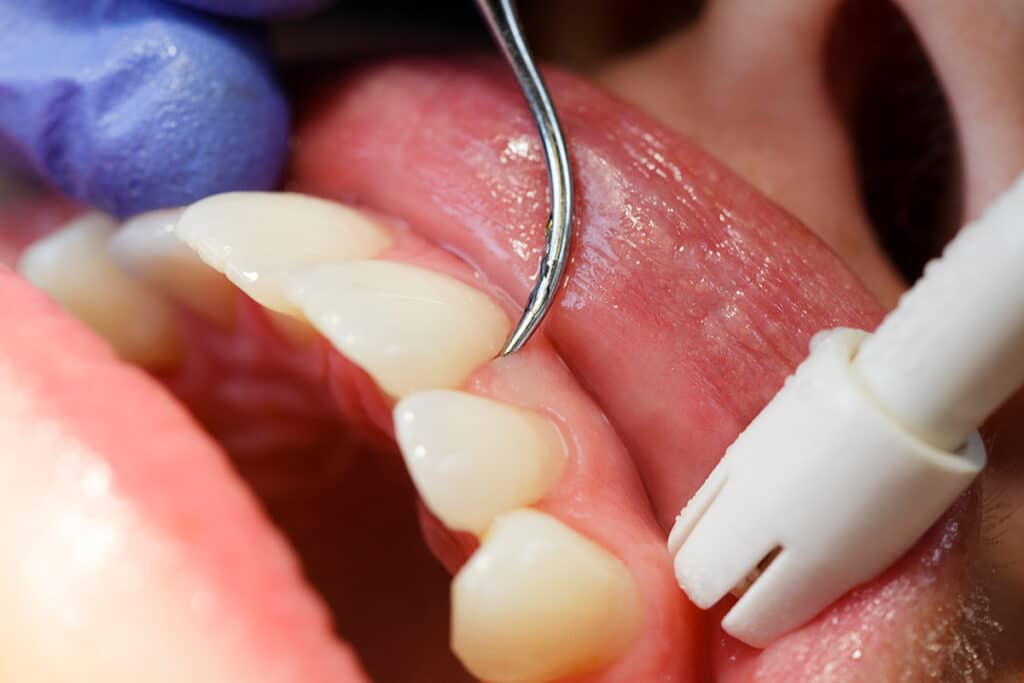
A healthy smile goes beyond bright, white teeth. It’s built on a foundation of healthy gums. While many people know that poor brushing and flossing habits can lead to gum problems, the reality is more complex. Gum disease, also known as periodontal disease, can be influenced by a variety of factors that you might not expect. Understanding these hidden risks is the first step toward protecting your oral health and, by extension, your overall well-being. At Robinson and Malone Dentistry, we believe in empowering our patients with knowledge to maintain a lifetime of healthy smiles.
Gum disease often begins quietly. The initial stage, gingivitis, might only present with mild symptoms like occasional bleeding when you brush or some minor swelling. If left unaddressed, it can advance to periodontitis, a more serious condition that can damage the soft tissue and bone supporting your teeth, potentially leading to tooth loss. Recognizing the less obvious causes of gum disease is crucial for prevention and early intervention, ensuring your smile remains strong and healthy for years to come.
The Surprising Link Between Stress and Your Gums
In our busy lives, stress can feel like a constant companion. What you might not realize is the significant impact it can have on your oral health. When you experience chronic stress, your body produces higher levels of the hormone cortisol. Elevated cortisol levels can weaken your immune system, making it harder for your body to fight off the bacteria that cause infection in your gums. This creates an environment where gum disease can develop more easily and progress more quickly.
Furthermore, stress can lead to behaviors that negatively affect your oral hygiene. People under pressure may be more likely to neglect their daily brushing and flossing routines, consume more sugary foods and drinks, or clench and grind their teeth (a condition known as bruxism). This grinding action puts excessive force on your teeth and can damage the surrounding gum tissue, creating pockets where harmful bacteria can thrive. Managing stress through exercise, mindfulness, or other relaxation techniques is not just good for your mind—it’s a vital step in protecting your gums.
How Certain Medications Can Affect Your Oral Health
You may take medications to manage a chronic condition or recover from an illness, but some of these prescriptions and over-the-counter drugs can have unintended side effects on your mouth. One common issue is dry mouth, or xerostomia. Saliva plays a critical role in oral health by washing away food particles and neutralizing the acids produced by plaque bacteria. When saliva flow is reduced, bacteria can multiply more rapidly, increasing your risk for both tooth decay and gum disease. Medications known to cause dry mouth include certain antidepressants, antihistamines, and blood pressure medications.
Other medications can directly affect the gum tissue itself. Some anti-seizure drugs, immunosuppressants, and calcium channel blockers can cause a condition called gingival overgrowth, where the gum tissue becomes enlarged and grows over the teeth. This excess tissue makes it extremely difficult to clean your teeth and gums properly, creating an ideal environment for plaque to accumulate and inflammation to occur. It is essential to inform your dentist about all medications you are taking so we can monitor your oral health and develop a personalized care plan.
The Impact of Genetics and Hormonal Changes
Sometimes, your risk for gum disease can be written in your DNA. Studies have shown that a significant portion of the population may be genetically predisposed to developing periodontal disease. This means that even if you have impeccable oral hygiene habits, you might still be more susceptible to gum infections than others. If you have a family history of gum disease or tooth loss, it’s even more important to be proactive with your dental care and schedule regular check-ups to catch any early signs of trouble.
Hormonal fluctuations throughout your life can also make your gums more sensitive and prone to disease. During puberty, pregnancy, and menopause, changing hormone levels can increase blood flow to the gum tissues and alter your body's response to the bacteria in plaque. This is why some pregnant women experience "pregnancy gingivitis," characterized by swollen, tender, and bleeding gums. Being aware of these periods of hormonal change allows you and your dental team to take extra precautions to keep your gums healthy.
Protecting Your Smile for a Lifetime
Understanding that factors like stress, medications, genetics, and hormones can contribute to gum disease empowers you to take better control of your oral health. While you can't change your genetic makeup or always avoid necessary medications, you can partner with a knowledgeable dental team to manage these risks effectively. Consistent and thorough home care, combined with professional cleanings and check-ups, is your best defense against the hidden threats to your gum health. At Robinson and Malone Dentistry, we are committed to providing comprehensive care that addresses all aspects of your well-being.
By being mindful of these contributing factors and maintaining open communication with your dentist, you can create a robust strategy for prevention. A healthy smile is a team effort, and we are here to support you every step of the way. Don’t wait for noticeable symptoms to appear; proactive care is the key to preserving your teeth and gums for a lifetime.
Frequently Asked Questions About Periodontal Procedures
What happens during a deep cleaning procedure?
A deep cleaning, professionally known as scaling and root planing, is a procedure designed to treat the early to moderate stages of gum disease. It is more thorough than a standard dental cleaning. First, we carefully remove plaque and tartar (hardened plaque) from above and below the gumline, a process called scaling. Next, we smooth out the tooth roots in a process called root planing. This helps the gums reattach to the teeth and makes it more difficult for bacteria to accumulate in the future, effectively halting the progression of gum disease.
Is periodontal treatment painful?
Patient comfort is our highest priority at Robinson and Malone Dentistry. Before any periodontal procedure, such as scaling and root planing, we will numb the area with a local anesthetic to ensure you are comfortable throughout the treatment. You might experience some mild sensitivity or soreness in your gums for a few days following the procedure, but this is typically manageable with over-the-counter pain relievers and subsides quickly. We provide detailed aftercare instructions to help you have a smooth and comfortable recovery.
As a highly skilled dental team with a legacy of exceptional care, we are dedicated to building lasting relationships with our patients. We provide comprehensive dentistry for all ages with integrity, advanced technology, and a warm smile. If you have concerns about your gum health or are ready for your next check-up, please schedule an appointment with us today. We look forward to welcoming you to our practice.